
Published March 6, 2025
How to Finance the Purchase of Vacant Land

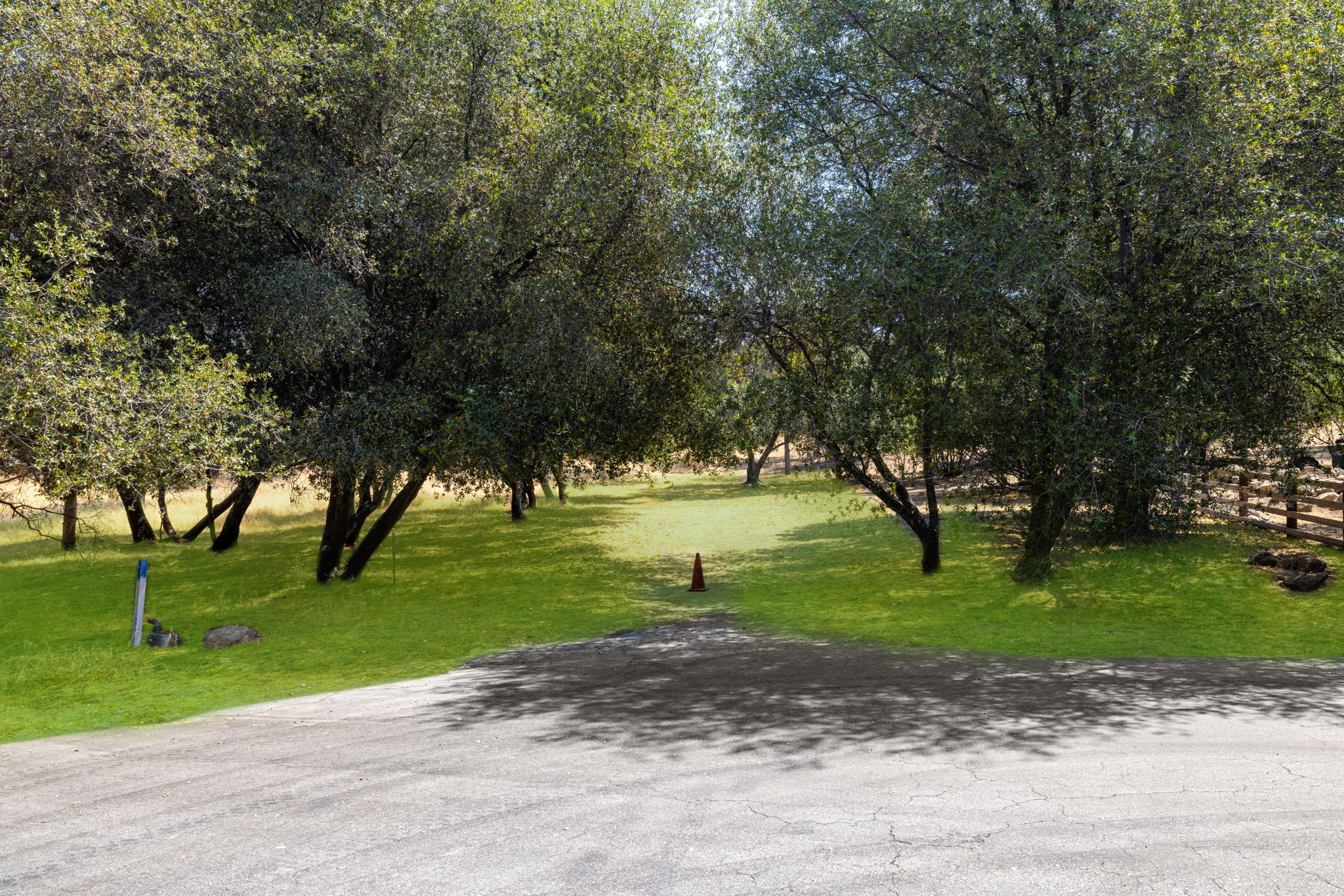
Purchasing vacant land can be an exciting opportunity—whether you're planning to build your dream home, invest in property, or simply hold onto land as its value increases. However, financing the purchase of vacant land is different from buying a home, and it's important to understand your options.
Unlike homes, vacant land does not qualify for FHA or conventional loans—the types of loans most homebuyers use. Instead, buyers typically purchase vacant land using one of the following methods:
1. Paying Cash
If you have the financial ability, buying land with cash is the simplest and most straightforward option. A cash purchase allows you to avoid monthly loan payments and interest costs while also giving you more negotiating power with the seller. Since land loans tend to have higher interest rates than home loans, paying cash can save you a significant amount of money in the long run.
2. Land Loans
Because vacant land doesn’t qualify for a traditional mortgage, some lenders offer specialized land loans designed specifically for purchasing undeveloped property. These loans often require:
- A larger down payment—typically 20-50% of the purchase price.
- A higher interest rate than a mortgage, since land is considered a riskier investment for lenders.
- A clear plan for how the land will be used, which can improve your chances of loan approval.
Some banks and credit unions offer these loans, but not all lenders provide them, so you may need to shop around.
3. Owner Financing
Another option is owner financing, where the seller agrees to act as the lender, allowing you to make payments directly to them rather than going through a bank. This can be a great choice if you don’t qualify for a land loan or if you want to avoid the lengthy approval process.
- The terms of the loan (such as down payment, interest rate, and payment schedule) are negotiated between you and the seller.
- Many owner-financed deals are structured similarly to a mortgage, but they typically have shorter loan terms (such as 5-10 years instead of 30) and require a higher down payment.
Since owner financing is a private agreement, it’s essential to have a real estate attorney review the terms to protect both the buyer and seller.
4. Construction Loans (All-in-One Financing)
If your goal is to build a home or place a manufactured home on the property, an all-in-one construction loan may be the best option. These loans cover both the purchase of the land and the cost of building.
- Instead of getting separate loans for land and construction, this loan bundles everything together for one streamlined financing process.
- Funds are disbursed in stages, meaning you don’t receive the full amount at once. Instead, the lender releases money as construction milestones are met.
- Once construction is complete, the loan converts into a traditional mortgage, making it easier to transition into long-term homeownership.
This is a great choice for buyers who have a clear plan to develop the land rather than holding it as an investment.
Looking for Land in Kern County? Work with a Local Expert
If you're considering buying land in Kern County, working with a knowledgeable Kern County Realtor is essential. Every vacant lot is different—zoning laws, access to utilities, and development potential can all impact your purchase. Whether you’re looking for land to build on now or an investment for the future, The McCarty Group can guide you through the process and help you find the right property for your needs.
Want to learn more about available land in Kern County? Call or text The McCarty Group at 661-665-SOLD today!

Laurie McCarty
Owner/CEO | The McCarty Group | Coldwell Banker Preferred
or another way