Published January 1, 2026
The One Thing Buyers Notice First (And It’s Not What Most Sellers Think)

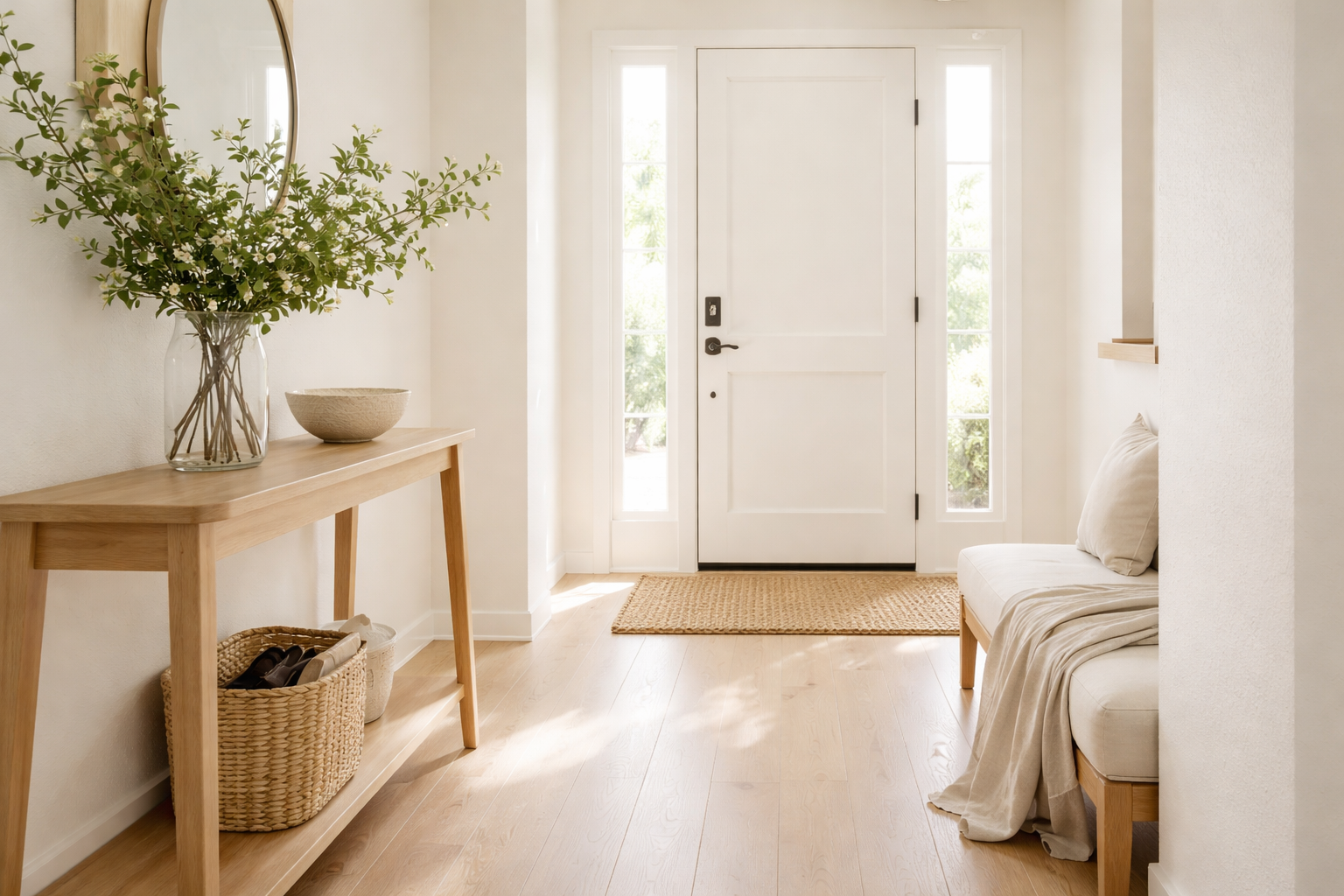
Most homeowners assume buyers walk in and immediately judge the big-ticket items. The kitchen. The bathrooms. The backyard. Those things matter, and they often influence value. But they are not usually the very first thing that determines whether a buyer feels interested or uneasy.
The first thing buyers notice is the overall impression of care.
Before buyers have time to admire countertops or imagine hosting in the backyard, their brain is doing something much more basic. It is trying to answer a simple question: “Is this home going to be easy or difficult to own?” That decision starts forming within seconds, and it is built largely on clues that have nothing to do with remodeling.
Buyers are subconsciously scanning for signs of maintenance, cleanliness, and how the home has been treated over time. They are asking themselves, often without realizing it, whether this home looks like it has been looked after or whether it looks like it comes with a list of problems they will have to inherit. Once that impression forms, it can be surprisingly difficult to reverse, even when the home has great features.
Why “care” is the real first impression
When a buyer tours a home, they do not have the facts yet. They do not know the condition of the roof or whether the plumbing has been updated. They cannot see how the HVAC has been maintained or what will come up in an inspection. Until they have that information, they rely on signals.
The signals buyers trust first are the ones they can see immediately. The small, everyday details tell a story. If those details look neglected, buyers often assume the hidden systems may be neglected too. It is not always logical, but it is extremely common. A buyer may not say, “The baseboards are scuffed, so the water heater must be old,” but the feeling is similar: “If the visible things were ignored, what else has been ignored?”
That perception changes how buyers move through the home. It changes the questions they ask. It changes whether they stay curious or start calculating. And it changes whether the home feels like a safe choice or a risky one.
The overlooked details that create buyer doubt
This is where sellers can unintentionally lose buyers without realizing it. Many of the items that affect buyer confidence are minor in cost, but major in messaging.
Scuffed baseboards, sticky doors, torn window screens, burnt-out bulbs, stained grout, chipped paint, worn carpet at the entry, or hardware that is loose or outdated all communicate the same thing: the home may have deferred maintenance. It does not mean the home is in poor condition, but it can create the perception that upkeep has been postponed.
Buyers often struggle to separate “small cosmetic issues” from “potential bigger issues,” because both fall under the same category in their mind: “things I will have to deal with.” If they are already stretching financially, or simply exhausted by the market, they may not want a project, even a small one. What feels like a manageable weekend list to a homeowner can feel like a warning sign to a buyer who is trying to avoid surprises.
What makes this tricky is that buyers do not always say this out loud. Instead, you see it in their behavior. They spend less time in the home. They stop picturing where their furniture will go and start noticing what needs to be fixed. They ask more questions about the age of systems, repairs, and maintenance history. Even when they still like the home, they start building a case for a lower offer.
Cleanliness is about trust, not perfection
Presentation plays into this too, and it is not about having a staged, magazine-perfect look. It is about whether the home feels orderly, fresh, and move-in ready.
Cleanliness matters because it lowers buyer anxiety. A clean home feels simpler to step into. It makes the home feel like it has been cared for and, just as importantly, it keeps buyers focused on the home instead of on distractions.
This is where clutter becomes more than a style issue. Overfilled closets, crowded counters, and spaces packed with too much furniture do not just make rooms look busy. They can make spaces feel smaller, darker, and less functional than they really are. Even when the room is technically large enough, visual crowding makes it harder for a buyer to take it in quickly. When that happens, buyers tend to move on mentally instead of leaning in.
A home that is tidy, bright, and simple to absorb has the opposite effect. It helps buyers imagine their own life in the space. They can picture the morning routine. They can picture setting groceries on the counter. They can picture a couch where they would actually sit. That mental picture is a big part of what leads to stronger emotional attachment, which is often what drives stronger offers.
Buyers want the home to “make sense” as they walk through it
Another part of that early impression is whether the layout and spaces feel clear and functional. Buyers pay close attention to how rooms connect and whether each space has an obvious purpose.
When a room feels ambiguous, buyers get distracted. They stop experiencing the home and start trying to solve it. They wonder if the home has enough usable space or if the layout will feel awkward for their routine. That hesitation matters, because it interrupts the smooth flow that creates confidence.
This is why defining spaces is so important. A bonus room can be a strength, but only if buyers can quickly understand how it could work. A spare bedroom can be flexible, but it helps to show it as a guest room, a home office, or something intentional rather than a catch-all space. The goal is not to limit possibilities. The goal is to remove confusion.
Clarity creates momentum. Momentum keeps buyers engaged.
Buyers are also watching for “future cost” signals
Even if buyers do not consciously think in numbers during a showing, they are collecting clues about what the home might cost to own. In today’s market, buyers are far less enthusiastic about surprises, especially expensive ones.
Drafty windows, harsh indoor temperatures, older-looking equipment, visible wear, neglected landscaping, and small signs of ongoing issues can trigger concerns about monthly costs and future repairs. Buyers may not know the exact price of a new HVAC system, but they know it is not cheap. They may not know what replacing windows would cost, but they know it would not be fun.
The moment buyers start doing mental math, the offer tends to get more conservative. It is not because they do not like the home. It is because the home feels like it may require more investment than they want to make after closing.
The good news: the fixes that matter most are rarely glamorous
Sellers sometimes feel like they need to renovate to compete. In reality, many homes win in the market not because they are the most updated, but because they feel the most cared for.
The most effective improvements are often the unglamorous ones. Addressing deferred maintenance, freshening paint where wear shows, replacing small broken items, deep cleaning thoroughly, improving lighting, and simplifying the way each space is presented often delivers a bigger impact than sellers expect.
These changes work because they change the story the buyer tells themselves. Instead of walking through the home thinking, “What will I have to fix?” they walk through thinking, “This feels move-in ready.” Instead of assuming the home has hidden problems, they assume it has been maintained. That shift in assumption is powerful.
The takeaway sellers should remember
Buyers might admire a beautiful kitchen, but they trust a home that looks maintained. When the first impression signals, “This home has been taken care of,” buyers are more likely to stay engaged, schedule a second look, and write stronger offers.
If selling is on your radar for the year ahead, The McCarty Group can walk through your home with a buyer’s eye and point out the few changes that typically make the biggest difference. It is often a shorter list than most sellers expect, and it is almost always focused on the things that build buyer confidence fast.