Published December 23, 2025
What First-Time Buyers Want… and How Builders Aren’t Delivering

If you’ve been paying attention to the housing conversation lately, you’ve probably heard the same concern repeated again and again: first-time buyers are struggling. Prices feel out of reach, interest rates are higher than they were a few years ago, and many buyers feel stuck on the sidelines wondering where they fit.
But here’s the part of the conversation that often gets overlooked. First-time buyers aren’t disappearing. They’re changing. And the housing product being delivered hasn’t evolved at the same pace.
That disconnect is exactly what we explored on a recent episode of the Kern County Real Estate Review, because once you understand who today’s first-time buyers really are, a lot of the current market frustration starts to make sense.
Listen to the Full Conversation
In this episode of the Kern County Real Estate Review, we break down national data, connect it to what we’re seeing locally in Kern County, and talk honestly about why builders continue to deliver housing that no longer matches the buyer they’re trying to serve.
You can listen to the full episode, What First-Time Buyers Want… and How Builders Aren’t Delivering, below or on all major podcast platforms.
Who Today’s First-Time Buyers Really Are
For a long time, the idea of a “starter home” was built around a very specific buyer. Think of a married couple in their 20s or early 30s, planning to start a family, buying a three-bedroom home they would eventually grow out of. That buyer profile dominated the market for years, and housing product followed suit.
That’s no longer the case.
According to recent national data, first-time buyers now make up roughly one out of every five home purchases. That alone is a significant shift, but the more important change is who those buyers are today. The median age of a first-time buyer is now 40 years old. This is a record high. Many are buying on their own. Single buyers, particularly single women, represent a growing share of the market. And far fewer first-time buyer households have children living at home.
These buyers tend to be more financially cautious and more intentional. Many waited longer to buy because of student loan debt, rising rents, or the need to build financial stability before taking on homeownership. They’re not necessarily looking for a temporary stepping stone. They’re often buying later and planning to stay put longer.
The Starter Home Problem
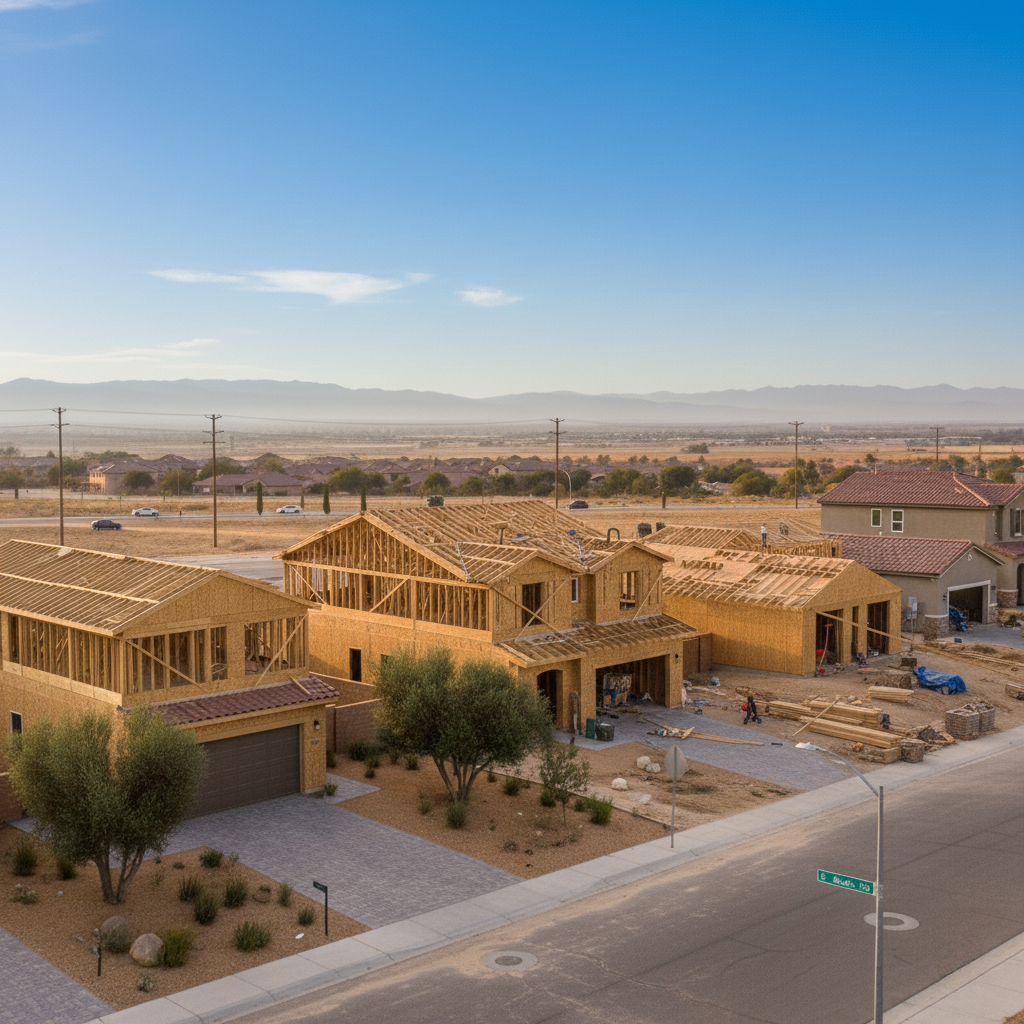
Despite this shift, much of the housing being built today still assumes that old buyer profile. Builders continue to deliver the same three-bedroom, two-bath homes around 1,800 square feet that were designed for young families planning for future growth.
There’s nothing inherently wrong with that type of home. The problem is that demand has changed.
A single buyer in their late 30s doesn’t necessarily need three bedrooms. A household without kids may value flexibility and lower monthly costs over extra space. And a buyer who waited years to enter the market is often focused on long-term affordability, not just getting in the door.
In other words, many first-time buyers aren’t asking for more house. They’re asking for the right house.
What Buyers Are Actually Prioritizing
When you listen to buyers closely, the same themes come up again and again. Today’s first-time buyers are far more focused on monthly affordability than overall square footage. Energy efficiency matters because utility costs directly affect their budget. Maintenance matters because time and money are limited. Floorplan matters more than size, and proximity to work, family, or lifestyle amenities often outweighs having extra rooms that go unused.
These preferences aren’t about settling or lowering expectations. They’re about alignment. Buyers who enter the market later tend to be more thoughtful and realistic about what they want their home to support in daily life.
And yet, smaller homes, modular construction, and alternative layouts are often treated as niche products, when in reality they reflect how a large portion of today’s buyers actually live.
The Affordability Contradiction
Builders often point to affordability as the biggest challenge in today’s market, and that’s a fair concern. Land costs are higher. Materials and labor are more expensive. Regulations add complexity. All of that is real.
But here’s where the disconnect shows up. If affordability is the issue, continuing to build larger, higher-cost homes as the primary solution doesn’t solve it. Many buyers are open to smaller footprints, more efficient designs, and alternative building methods because those options align with their financial realities and lifestyle needs.
The demand is there. The product just hasn’t caught up.
Why This Matters Locally in Kern County
This conversation hits especially close to home here in Bakersfield and across Kern County. We continue to attract first-time buyers who have been priced out of other California markets. Many are older first-time buyers, remote workers, or single professionals looking for stability and long-term value.
When housing options don’t align with their needs, competition increases for the limited inventory that does. That impacts pricing, availability, and buyer confidence. But it also creates opportunity. Markets that recognize these shifts early can adapt, diversify their housing product, and better serve the buyers who are actually showing up.
The Bigger Picture
The first-time buyer market isn’t going away. It’s evolving.
The real question isn’t whether the market has changed. It’s whether the housing industry is willing to change with it. Builders who adapt their product mix and respond to how people actually live today will be better positioned moving forward. Those who don’t may continue to miss demand that’s right in front of them.
If you want to hear this conversation unpacked in more detail, including how it plays out in real life for buyers and sellers, listen to the full episode of the Kern County Real Estate Review: What First-Time Buyers Want… and Why Builders Aren’t Delivering.
All statistics, insights, and trends discussed in this episode and referenced in this article are drawn from the 2025 Profile of Home Buyers and Sellers published by the National Association of Realtors®.